
Marine Onshore Services

Marine Onshore Services encompasses a broad range of activities supporting port, harbor, and coastal infrastructure. Project Management Services ensure seamless planning, coordination, and execution of marine construction and maintenance projects. Operational Analysis focuses on optimizing onshore operations, improving safety and efficiency in port-based activities. Port & Harbor Developments cover the design, construction, and upgrading of maritime facilities to support commercial and industrial needs. Hydrographic and Geotechnical Surveys provide essential seabed and soil data critical for construction and navigation safety. Renewable Energy Project Support aids the onshore phases of offshore energy projects, including fabrication and pre-mobilization activities. Environmental Impact Assessments evaluate potential ecological effects to ensure sustainable development.

Construction Supervision and Inspection uphold quality and compliance during project execution. Utilities & Infrastructure Support manage essential services such as power, water, and communications for marine facilities. Safety & Quality Compliance Audits guarantee adherence to regulations and standards. Manpower Management and Rope Access & Inspection Services provide skilled personnel for specialized tasks. Fender Management and Repairs maintain protective systems critical to dockside safety. Third Party Inspection (TPI), Calibration Labs, and Material Testing Labs assure quality control. Welding, Fabrication, and Post Weld Heat Treatment (PWHT) services ensure structural integrity. Asbestos and Hazardous Material Management, along with Waste Disposal services, focus on health, safety, and environmental protection.

Technical Supplies and Lifting Gear Inspections support all operational needs. Predictive Maintenance Surveys and Non-Destructive Testing (NDT) help prevent failures by assessing asset conditions. Detailed Marine Drawing & Design Support enables precise engineering solutions. All services comply with IACS classification society standards, assuring internationally recognized quality and safety.
Services Include in Marine Onshore

01

Project Management Services

Project management in the marine onshore sector involves comprehensive planning, coordination, and supervision of port and coastal infrastructure projects. This service ensures that each phase—from design and procurement to construction and commissioning—is efficiently managed to meet deadlines, budgets, and regulatory standards. Effective project management includes risk assessment, resource allocation, scheduling, and stakeholder communication. The manager oversees all contractors and suppliers to ensure quality and compliance with industry codes such as IACS. Given the complexity of marine infrastructure projects, this service is critical for minimizing delays and cost overruns while ensuring safety and environmental compliance throughout the project lifecycle.

Operational analysis focuses on evaluating the performance of port and terminal operations, identifying bottlenecks, inefficiencies, and areas for improvement. This involves data collection on cargo handling, vessel turnaround times, equipment utilization, and workforce productivity. The analysis enables stakeholders to optimize processes, reduce operational costs, and enhance throughput capacity. Advanced modeling tools and simulations may be used to forecast the impact of changes in operations, helping management make informed decisions. Ultimately, this service supports continuous improvement and competitiveness in increasingly busy port environments.

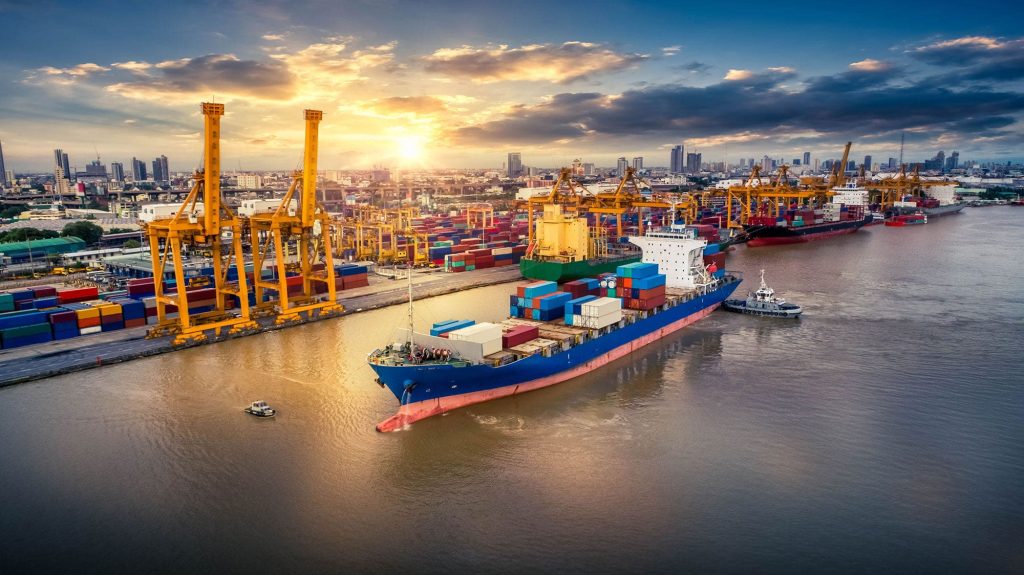
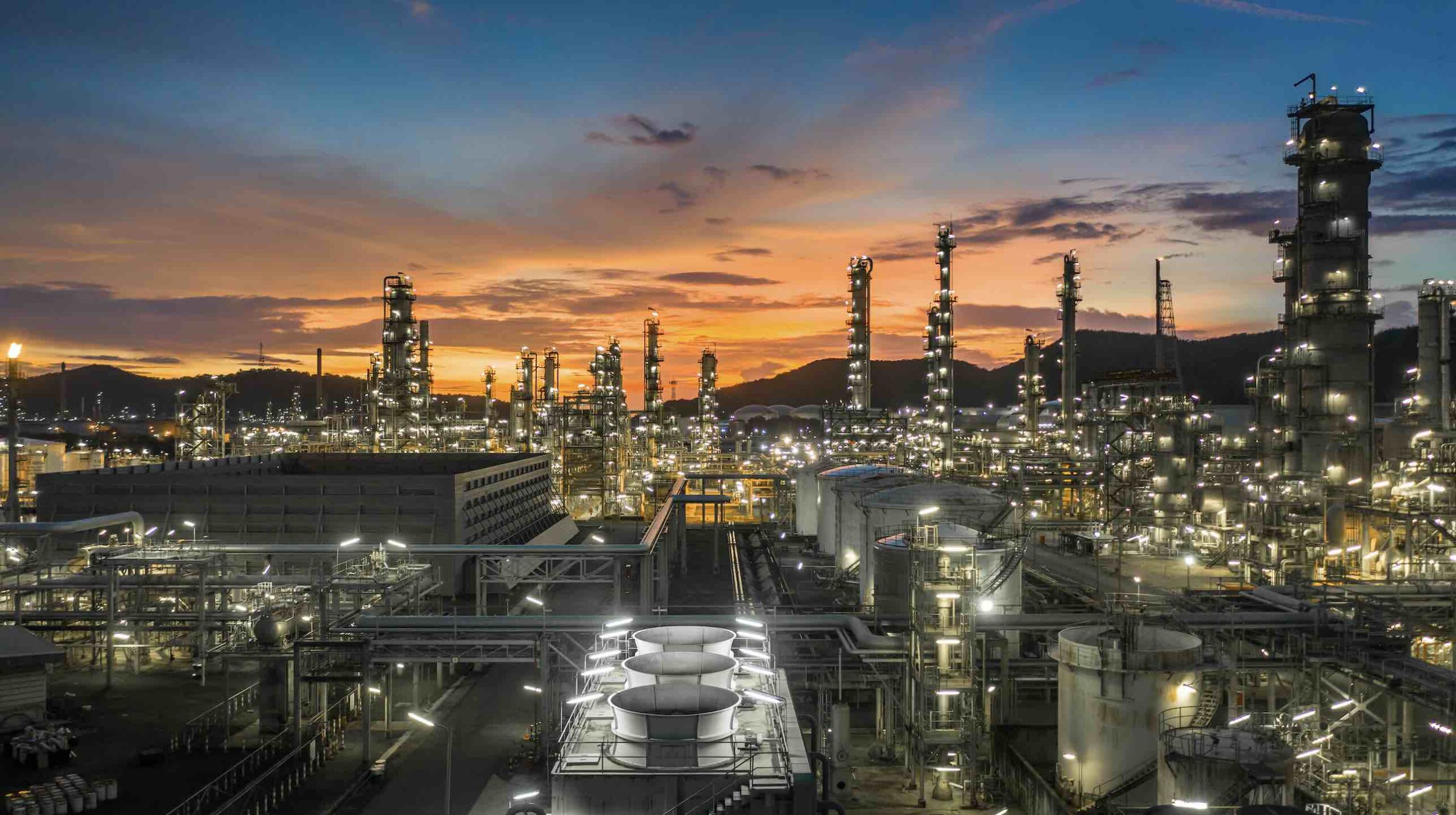
Port and harbor development services include the planning, design, and construction of essential maritime infrastructure such as docks, berths, piers, breakwaters, and terminals. These facilities must be designed to accommodate specific vessel types and cargo volumes while ensuring structural integrity against harsh marine conditions. The development process considers hydrodynamic factors, sediment movement, and environmental protection. This service ensures the port infrastructure supports safe navigation, efficient cargo handling, and future expansion. It often involves multi-disciplinary coordination between engineers, environmental consultants, and regulatory authorities.

Supporting renewable energy projects onshore is vital for the smooth execution of offshore wind farms and tidal energy installations. This service includes fabrication of turbine components, assembly of equipment, logistics coordination, and pre-mobilization activities that prepare the project for offshore deployment. Managing the interface between onshore fabrication yards and offshore installation vessels ensures timely delivery and quality control. Additionally, environmental and regulatory compliance is maintained during onshore phases to minimize impact on local communities and ecosystems.

Environmental Impact Assessments (EIA) are systematic studies to evaluate the potential environmental consequences of proposed marine construction or operational projects. The process involves baseline environmental data collection, impact prediction, and mitigation planning. EIAs ensure compliance with local and international environmental regulations and support sustainable development. They consider impacts on water quality, marine biodiversity, air emissions, noise pollution, and socio-economic factors. Public consultation is often part of the EIA process, helping to identify community concerns and promote transparent decision-making.

Construction supervision involves continuous monitoring and inspection of marine construction works to verify that the activities conform to approved designs, specifications, safety protocols, and quality standards. Inspectors check materials, workmanship, and adherence to schedules, reporting any deviations or defects. This service reduces risks of structural failures and delays by enabling timely corrective actions. It also ensures compliance with classification society requirements and contractual obligations, safeguarding the investment and operational readiness of marine infrastructure.

Utilities and infrastructure support in the marine onshore sector involves providing essential services such as electrical power, water supply, sewage, telecommunications, and road access to support port operations and construction activities. Reliable utilities infrastructure ensures uninterrupted functioning of equipment, offices, and safety systems. Coordination with local authorities and utility providers is often required to upgrade or expand infrastructure to meet growing demand. This service also includes maintenance and emergency repair to minimize downtime.

Safety and quality compliance audits are systematic reviews conducted to assess adherence to established safety regulations, standards, and quality management systems. In marine projects, this involves examining work practices, equipment conditions, and documentation to identify hazards and non-conformances. Audits promote a culture of safety, reduce accidents, and ensure the final product meets design and regulatory standards. They are conducted periodically and after major milestones to maintain continuous improvement and risk mitigation.

Manpower management entails recruitment, training, deployment, and supervision of skilled personnel required for marine onshore projects. Effective management ensures that the right number of qualified workers are available when needed, minimizing idle time and ensuring project continuity. It includes workforce planning, competency assessments, safety training, and labor relations management. This service is vital for maintaining productivity and compliance with labor laws and safety regulations.

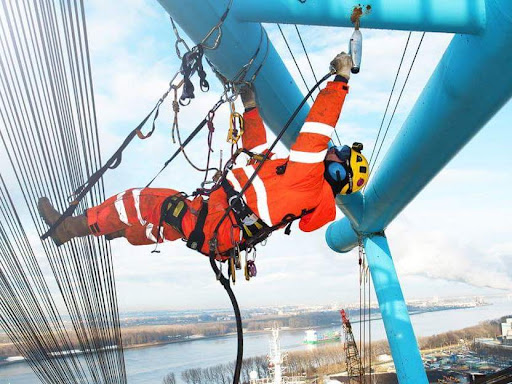
Rope access services utilize specialized climbing and descending techniques to safely reach difficult or hazardous locations on marine structures such as cranes, silos, and tanks. This method minimizes the need for scaffolding or heavy equipment, reducing costs and environmental impact. Rope access technicians perform detailed inspections, maintenance, cleaning, and minor repairs, providing critical data on structural conditions that inform maintenance planning and safety evaluations.

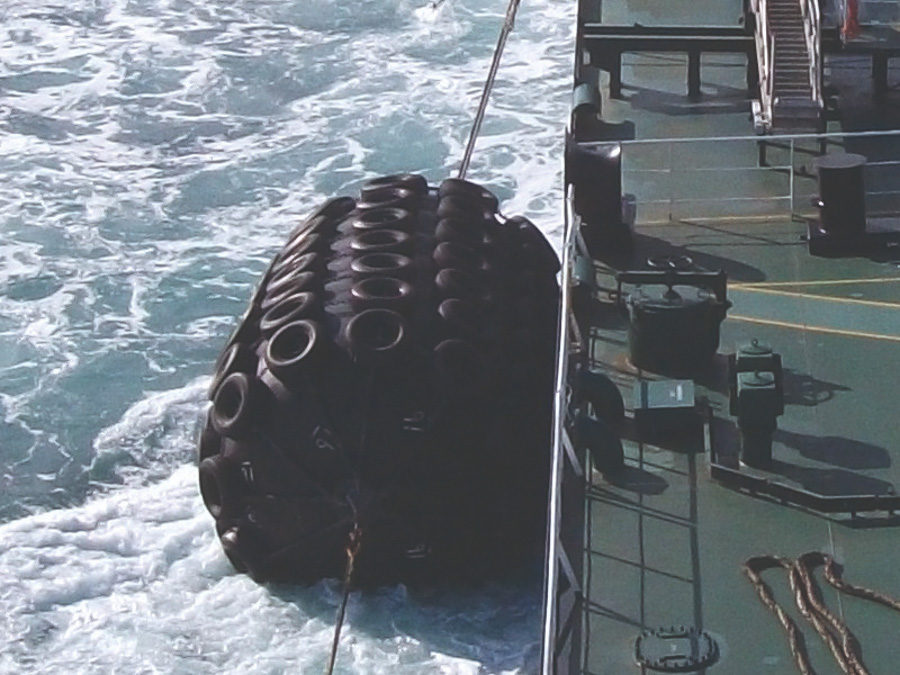
Fender systems absorb the impact between vessels and docking structures to prevent damage. Fender management involves routine inspection, maintenance, and repair of these protective systems to ensure their effectiveness. Damaged or degraded fenders compromise safety and can result in costly structural repairs or vessel damage. This service includes material assessments, replacement of worn components, and installation of upgraded fender solutions designed to accommodate larger vessels and changing operational demands.

Third Party Inspection (TPI) provides an independent, unbiased verification of project quality, materials, and workmanship. TPI professionals assess compliance with contractual and classification society requirements, often inspecting fabrication, welding, coating, and installation activities. This service supplements client oversight by providing objective reports and certifications that enhance transparency and trust. Quality Assurance/Quality Control (QA/QC) programs further ensure that every stage of a project meets defined standards and any defects are addressed promptly.

13

Calibration Laboratory Services

Calibration laboratories provide precision calibration of instruments used in marine operations such as pressure gauges, flow meters, and measuring devices. Accurate calibration is essential to maintain operational safety, quality control, and regulatory compliance. These labs follow international standards and use traceable calibration methods to guarantee accuracy and reliability of measurement tools critical to construction, maintenance, and operational monitoring.

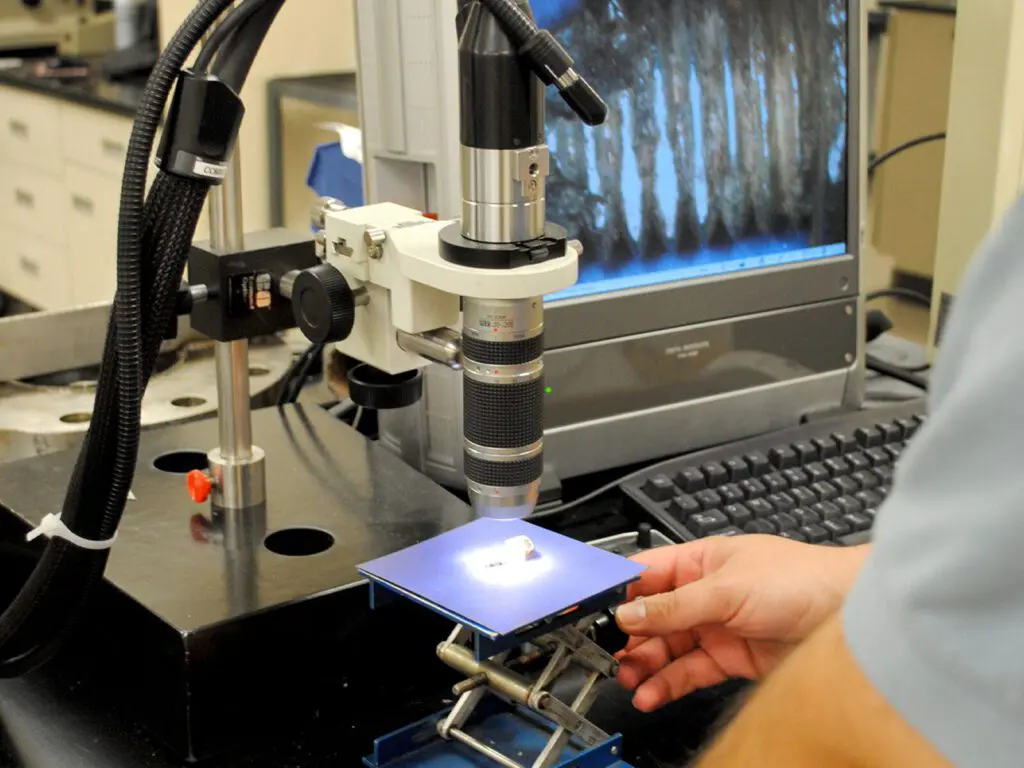
Material testing laboratories perform a variety of tests to determine the physical and chemical properties of construction materials. Tests include tensile strength, hardness, corrosion resistance, and chemical composition analysis. In marine projects, material testing ensures that steel, concrete, coatings, and other materials meet design specifications and are suitable for harsh marine environments, preventing premature failures and costly repairs.

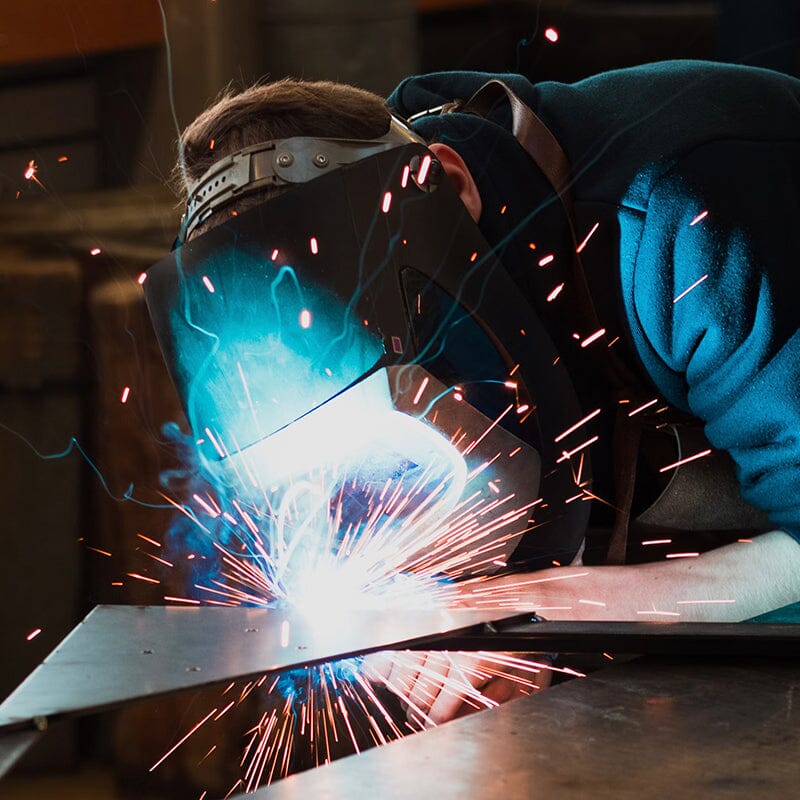
Welding and fabrication services involve the manufacture and assembly of steel structures and components essential to marine infrastructure. Skilled welders use approved procedures to join metal parts, ensuring structural integrity and compliance with classification standards. Fabrication may include cutting, bending, and assembling structural steel, piping systems, and specialized marine equipment. This service supports both new construction and repair projects, maintaining safety and operational readiness.

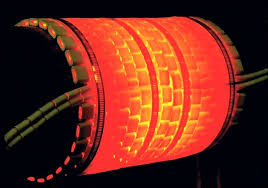
PWHT is a thermal process applied after welding to relieve residual stresses, reduce hardness, and improve mechanical properties of welded joints. This treatment prevents cracking, distortion, and brittle fractures in steel structures subjected to heavy loads and harsh environmental conditions. PWHT is especially important for pressure vessels, pipelines, and critical structural components in marine projects.

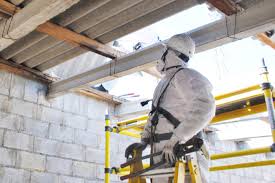
Asbestos management involves identification, risk assessment, safe removal, and disposal of asbestos-containing materials commonly found in older marine structures. Proper management protects workers and the environment from harmful asbestos fibers. This service complies with strict regulatory requirements and includes site surveys, air monitoring, and use of certified removal techniques.

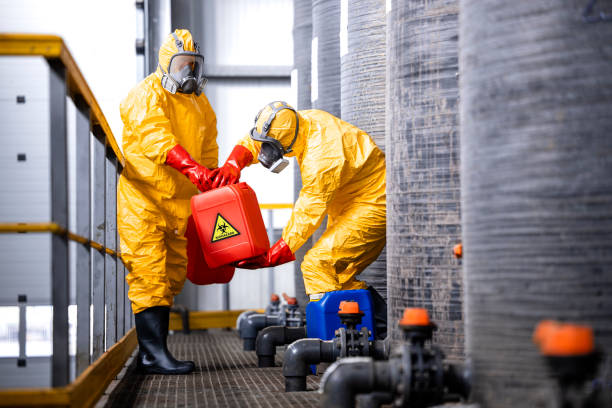
Hazmat management in marine environments entails the safe handling, storage, transportation, and disposal of hazardous substances such as fuels, chemicals, and industrial wastes. This service ensures compliance with environmental regulations, prevents spills or accidents, and mitigates risks to personnel and ecosystems. Proper documentation and emergency response plans are integral components.

Waste disposal services handle the collection, treatment, and environmentally sound disposal of waste generated by marine operations. This includes segregation of hazardous and non-hazardous wastes, recycling where possible, and adherence to local and international environmental regulations to minimize ecological impact and public health risks.

This service provides essential marine equipment, tools, spare parts, and technical expertise to support onshore operations. From specialized instrumentation to safety gear and repair components, timely and reliable supply ensures uninterrupted project execution and operational efficiency.

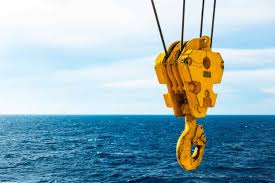
Regular inspections and certifications of lifting equipment like cranes, hoists, and slings are vital to ensure operational safety and prevent accidents. Inspection includes checking for wear, deformation, and compliance with safety standards, with documented reports required for regulatory and insurance purposes.

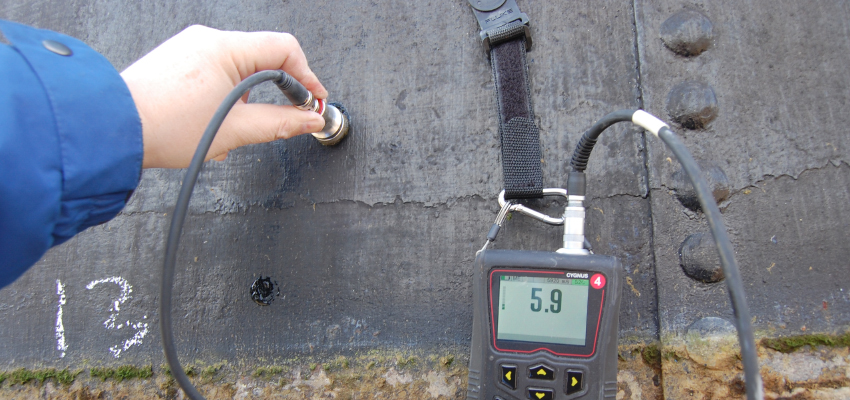
Thickness gauging is a non-destructive testing technique used to measure the thickness of metal structures and detect corrosion or erosion. Monitoring thickness is critical for maintaining structural integrity and planning maintenance or replacement activities before failures occur.

Predictive maintenance uses condition monitoring tools such as vibration analysis, thermography, and ultrasonic testing to forecast equipment failures before they happen. This proactive approach reduces unplanned downtime, extends equipment life, and optimizes maintenance costs.

Providing detailed engineering drawings and design assistance is essential for accurate construction, maintenance, and repair work in marine projects. This service includes creating structural, mechanical, electrical, and piping drawings that comply with classification society standards and client specifications, facilitating clear communication among all project stakeholders.

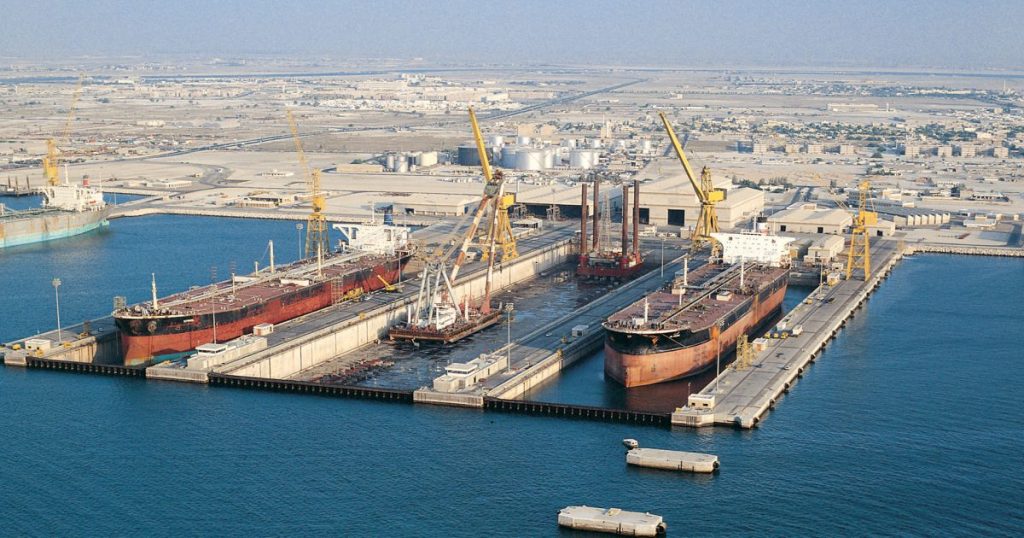
Dry docking involves the scheduled removal of vessels or offshore structures from the water for inspection, maintenance, repairs, and upgrades. Support services include planning, logistics, coordination of contractors, and ensuring compliance with safety and environmental standards during the dock period.