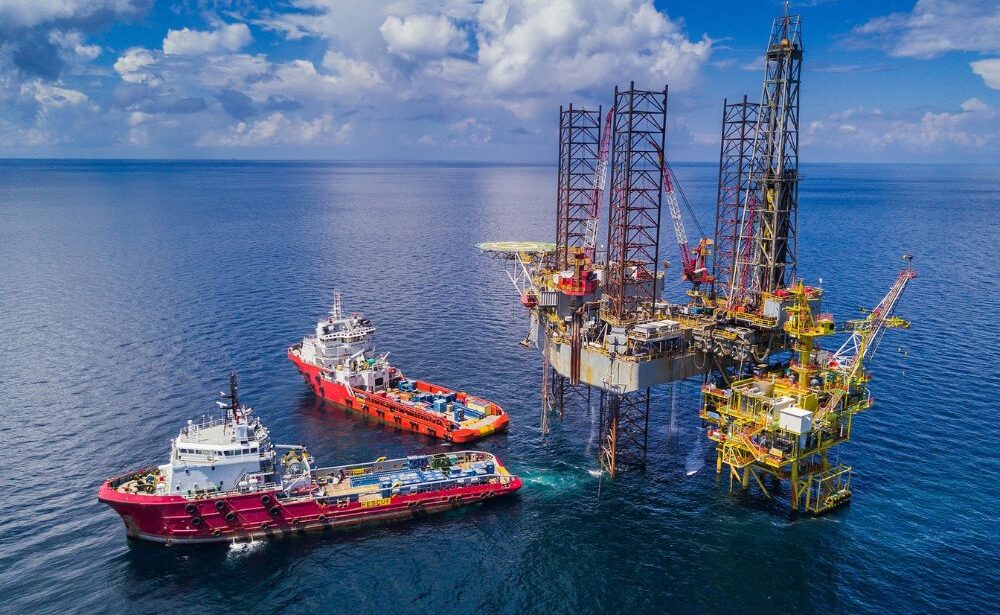
Marine Offshore Services

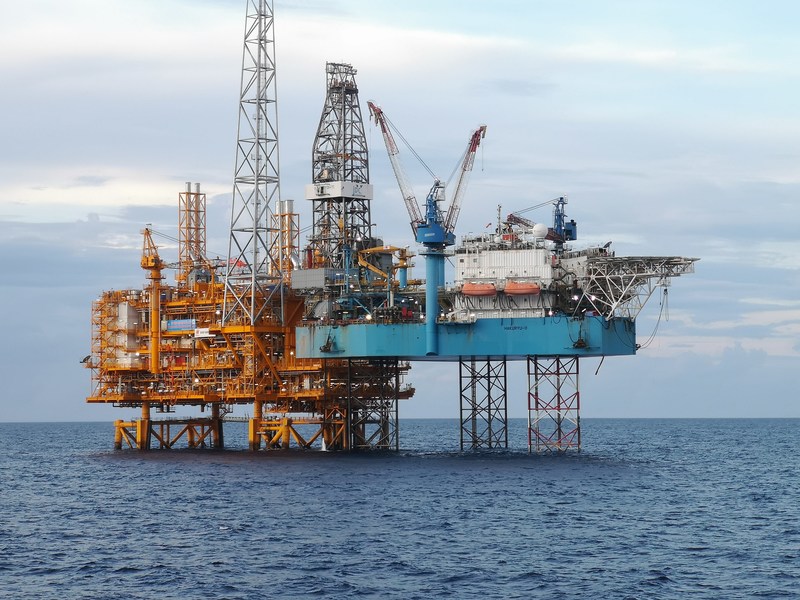
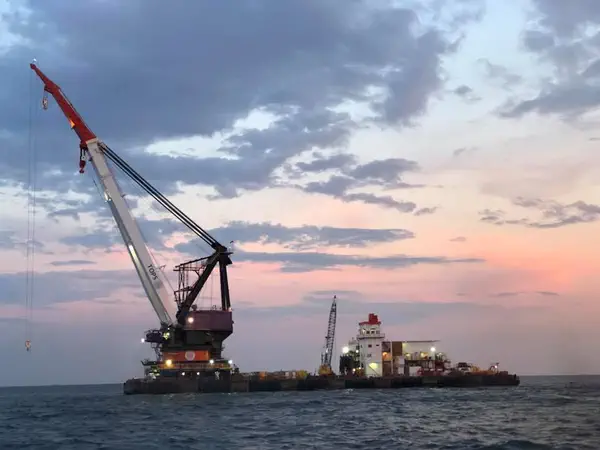
Marine Offshore Services address the complex demands of offshore operations and infrastructure. Project Management Services coordinate offshore construction, installation, and maintenance projects, ensuring efficiency and safety. EPIC Contractors deliver Engineering, Procurement, Installation, and Commissioning services for offshore platforms and facilities. Anchor Handling and Wellhead Support provide critical operational assistance during installation and maintenance of subsea infrastructure. Offshore Windfarm Support involves specialized services for renewable energy projects at sea, including deployment and ongoing maintenance. Dredging Support ensures navigable channels for offshore operations. Turnkey Offshore Solutions offer comprehensive project delivery from design through commissioning.

Operational Analysis focuses on dynamic positioning (DP) operations, station keeping, and mooring system optimization. Offshore Safety and Environmental Compliance Monitoring safeguard personnel and ecosystems. Pipeline Installation & Maintenance Support and Subsea Inspection services maintain vital subsea assets. Manpower Management and Rope Access & Inspection Services provide expert offshore teams capable of working in challenging environments. Diving Services deliver underwater inspections, repairs, and surveys. Fender Management and Repairs maintain offshore protection systems. Advanced NDT, Lifting Gear Inspections, Predictive Maintenance, and Thickness Gauging ensure structural integrity and safety.

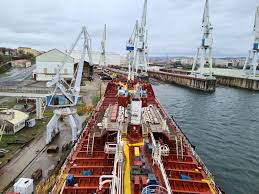
Asbestos and Hazardous Material Management alongside Waste Disposal uphold environmental compliance. Technical Supplies support all operational and maintenance needs. Marine Litigation Technical Support assists in dispute resolution. Dry Docking Support facilitates major vessel overhauls. All services strictly follow IACS classification society standards, reflecting our commitment to quality, safety, and environmental stewardship.

Services Include in Marine Offshore

01

Project Management Services (Offshore)
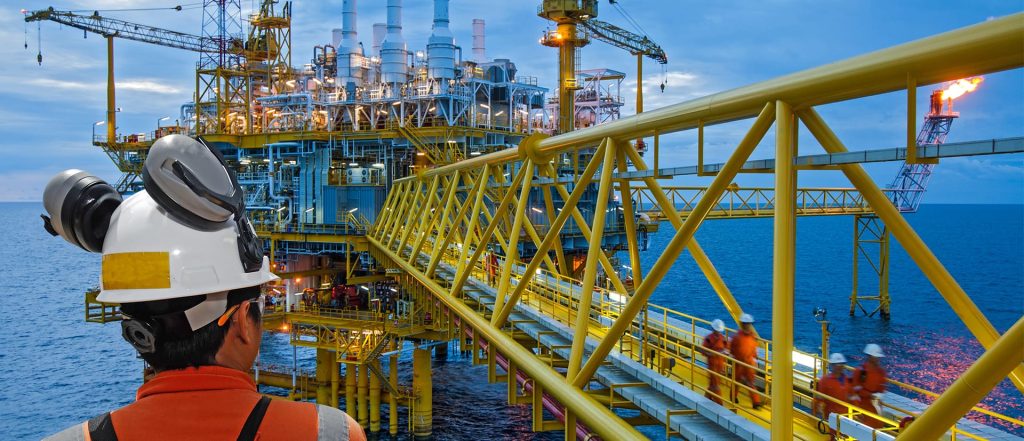
Offshore project management involves the comprehensive oversight of marine projects carried out at sea, including platform construction, pipeline installation, and maintenance operations. Due to the complex, remote, and hazardous nature of offshore environments, these projects require rigorous planning, coordination, and risk management to ensure safety, efficiency, and regulatory compliance. Project managers oversee vessel logistics, resource allocation, scheduling, and stakeholder communication to deliver projects on time and within budget while minimizing environmental impact. They also ensure adherence to international maritime and classification society standards such as those set by IACS.

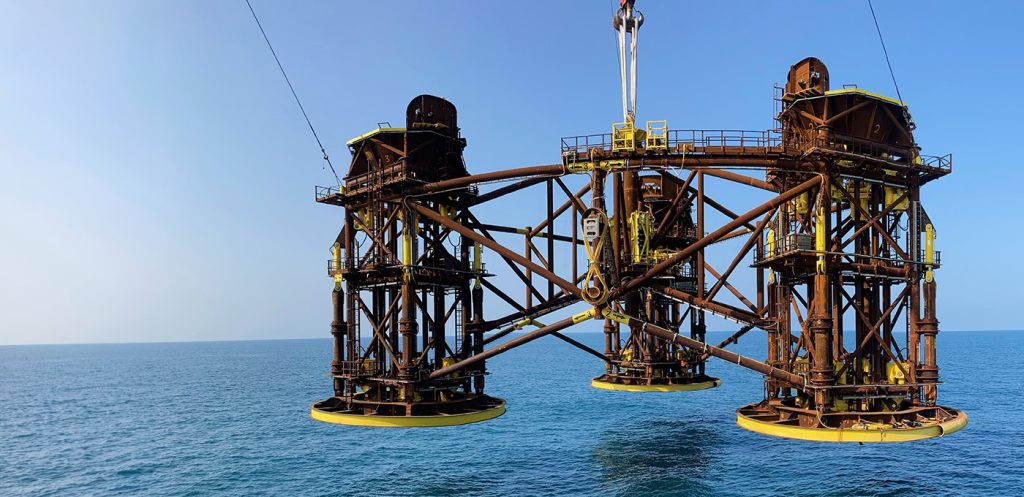
EPIC (Engineering, Procurement, Installation, and Commissioning) services for offshore projects cover all aspects of delivering complete infrastructure or system solutions. This includes detailed engineering design, procurement of materials and equipment, installation of subsea or topside structures, and final commissioning to operational status. Contractors in this domain provide turnkey solutions, combining multiple disciplines and integrating complex systems, such as subsea pipelines, platforms, and control systems, while meeting strict safety and quality requirements dictated by classification bodies and offshore regulations.

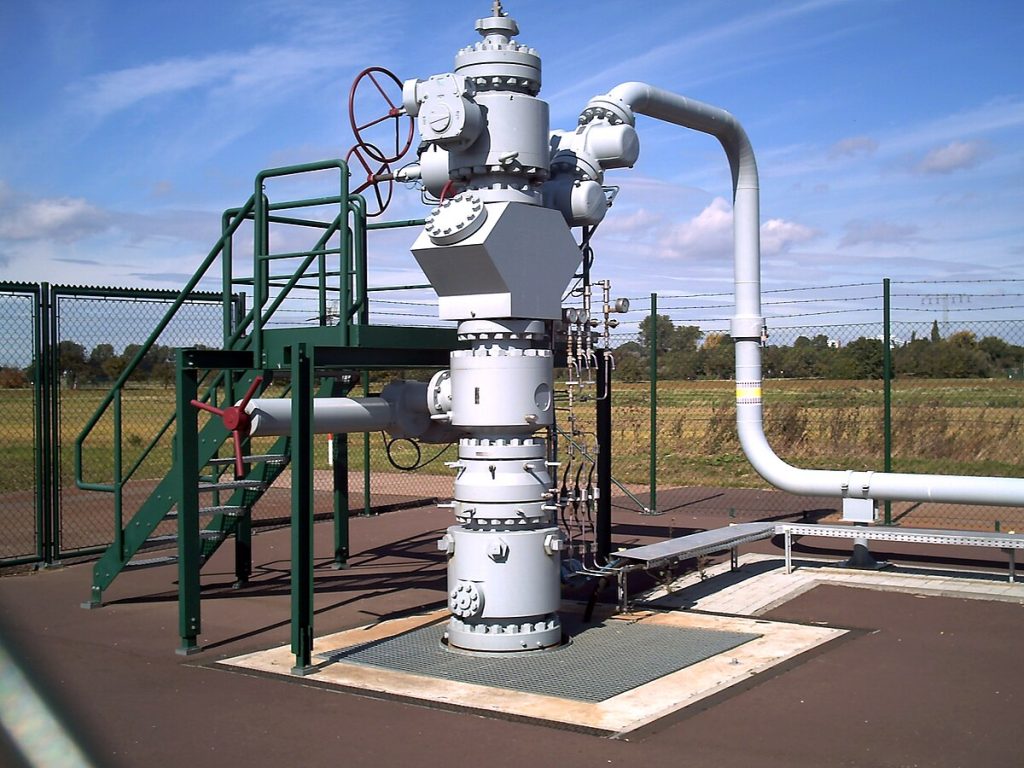
Wellhead support services focus on the maintenance, inspection, and repair of wellhead equipment used in offshore oil and gas extraction. These services ensure the integrity and operational safety of critical components controlling the flow of hydrocarbons. They include subsea inspections, cleaning, replacement of seals, and intervention operations performed by specialized technicians and remotely operated vehicles (ROVs), adhering to stringent industry standards and environmental safeguards.

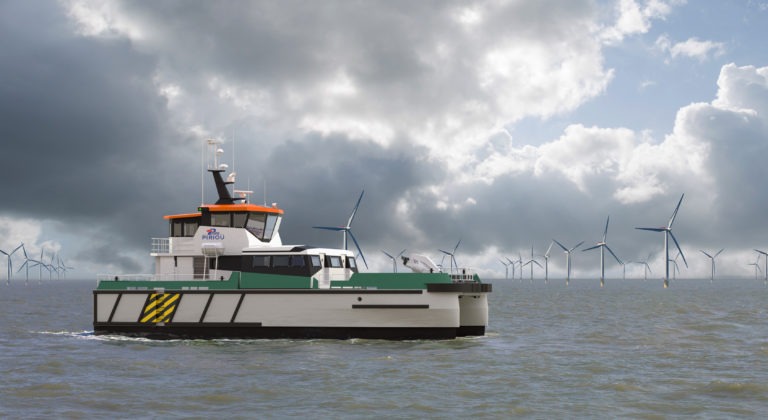
This service encompasses all activities related to the installation, operation, and maintenance of offshore wind farms. It includes transport and installation of turbines, subsea cable laying, electrical grid connections, and ongoing preventive and corrective maintenance to maximize energy output and asset lifespan. Offshore windfarm support also involves environmental monitoring and compliance with marine conservation regulations to mitigate impact on marine ecosystems.

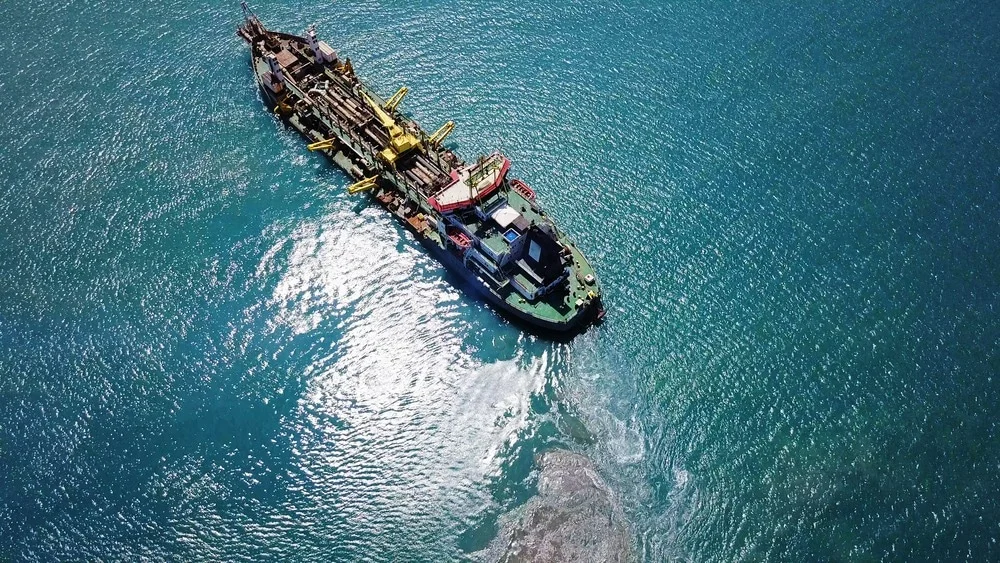
Dredging support includes preparatory and ongoing services to maintain or deepen navigation channels, berths, and offshore approach areas. These activities ensure safe vessel access and prevent sediment accumulation that could restrict operations. Dredging support involves hydrographic surveys, sediment analysis, and disposal of dredged materials in an environmentally responsible manner, conforming to international maritime environmental standards.

Supporting renewable energy projects offshore involves the logistical, technical, and maintenance services required for the deployment of wind turbines, tidal devices, and other renewable technologies. This includes offshore installation, commissioning, condition monitoring, and repair activities using specialized vessels and technicians. These services are critical for ensuring the reliability, safety, and longevity of renewable energy infrastructure in challenging offshore conditions.

Turnkey offshore solutions offer comprehensive project delivery from concept design through construction, installation, and commissioning, providing clients with a fully operational facility. These solutions integrate engineering, procurement, fabrication, installation, and commissioning, minimizing client involvement in complex offshore projects. Turnkey providers ensure compliance with marine safety standards, environmental regulations, and client specifications while optimizing costs and schedules.

Operational analysis offshore focuses on evaluating the performance of dynamic positioning (DP) systems, station-keeping capabilities, and mooring arrangements of vessels and platforms. Accurate analysis ensures operational stability and safety, preventing drift and collisions. It involves data monitoring, simulation, and troubleshooting to optimize vessel responses under varying sea and weather conditions, supporting efficient and safe offshore operations.

This service involves continuous monitoring of offshore operations to ensure compliance with safety regulations and environmental protection requirements. It includes hazard identification, risk assessments, emergency preparedness, and real-time environmental monitoring such as emissions and discharge control. The goal is to maintain high safety standards, protect marine ecosystems, and meet international regulatory frameworks.

This service covers the engineering, installation, inspection, and maintenance of subsea pipelines used for transporting oil, gas, or renewable energy resources. It involves route surveys, trenching, welding, coating, and integrity testing to ensure long-term reliability and leak prevention. Maintenance support includes cleaning, inspection with remotely operated vehicles (ROVs), and repair of damaged sections.

Subsea installation services involve deploying underwater infrastructure such as pipelines, cables, manifolds, and control systems. Inspection services use divers, ROVs, and advanced NDT technologies to assess the condition and integrity of subsea assets, enabling timely maintenance and reducing operational risks. These services require specialized equipment and expertise to operate safely in deep and challenging underwater environments.

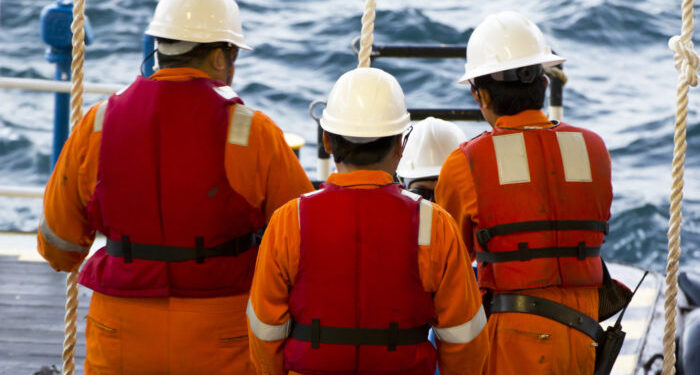
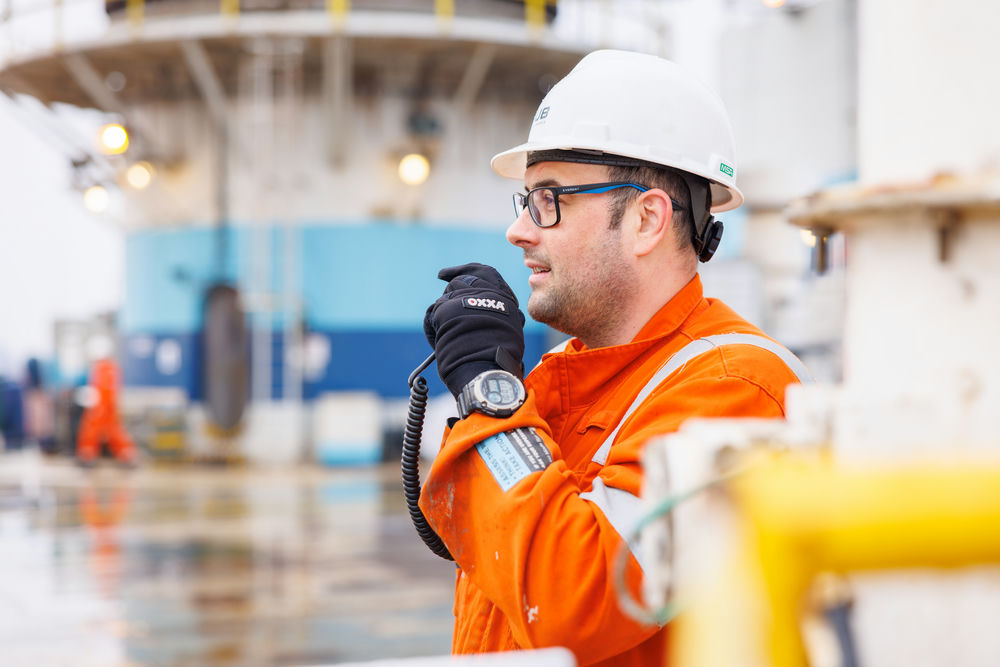
Managing offshore manpower includes recruitment, training, deployment, and rotation of skilled personnel such as rig operators, divers, engineers, and technicians. Given the remote and hazardous nature of offshore work, manpower management ensures that personnel are competent, fit for duty, and compliant with health, safety, and environmental (HSE) standards. This service supports crew logistics and welfare, which is essential for operational efficiency and safety.

13

Rope Access & Inspection Services (Offshore Structures & Vessels)
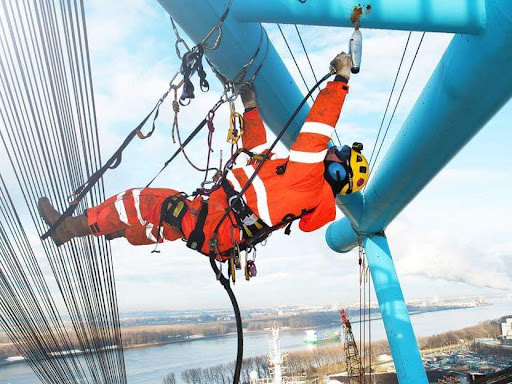
Rope access techniques provide safe and efficient means of accessing difficult-to-reach areas on offshore platforms and vessels for inspection, maintenance, and repair. This method reduces the need for scaffolding or cranes, minimizing downtime and costs. Technicians perform visual inspections, cleaning, welding repairs, and NDT, helping to maintain structural integrity and operational readiness.

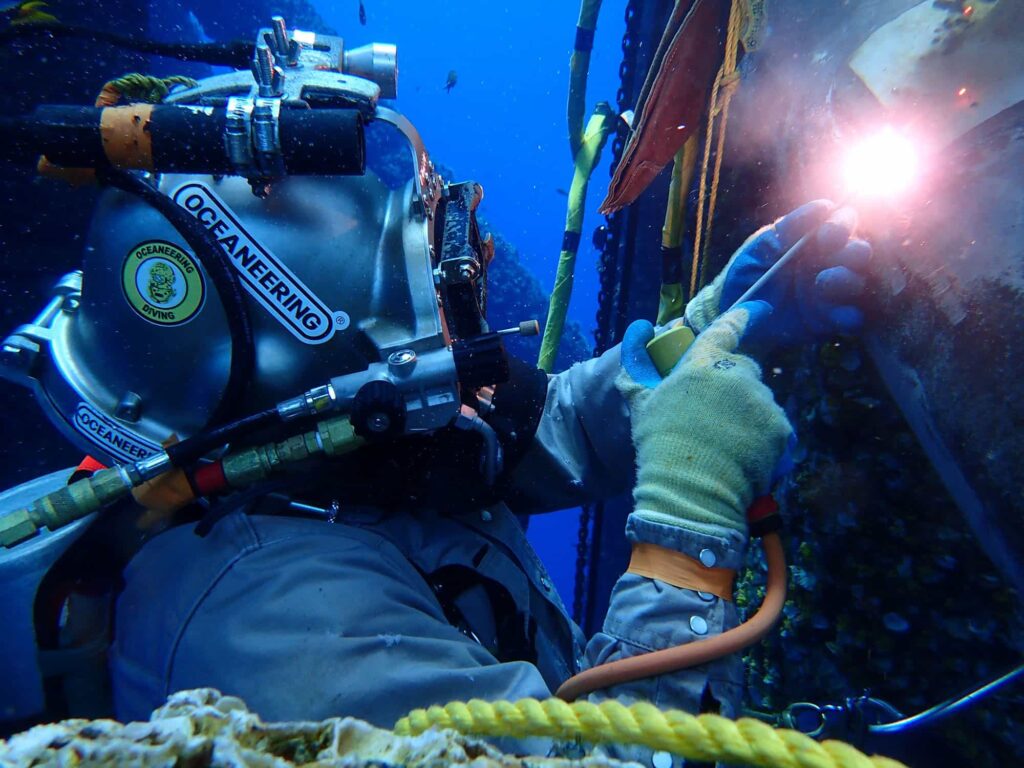
Professional diving services support underwater inspection, maintenance, repairs, and surveys of offshore structures. Divers conduct visual and NDT inspections, clean marine growth, perform welding and mechanical repairs, and collect environmental data. This service is critical for ensuring the safety and longevity of subsea assets in conditions where ROVs may not be suitable.

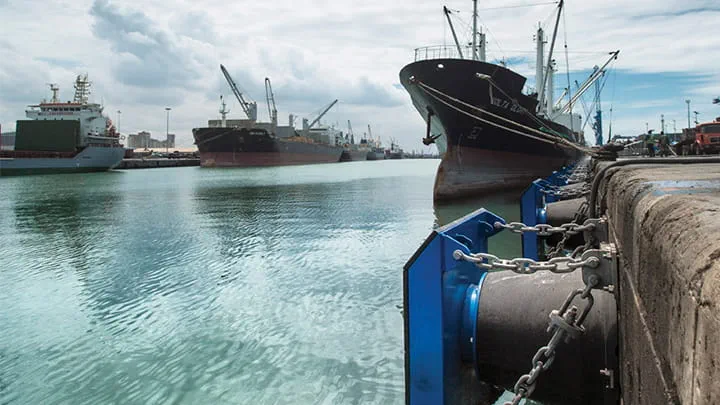
Fender management in offshore environments ensures protective systems that absorb vessel impacts are properly maintained to prevent structural damage. This includes inspection, repair, and replacement of fender components designed for harsh offshore conditions. Effective fender management protects both assets and personnel, reducing downtime and repair costs.

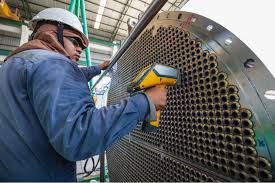
Advanced NDT techniques offshore include phased array ultrasonic testing, digital radiography, and acoustic emission monitoring. These technologies detect flaws, corrosion, and fatigue in subsea and topside structures without causing damage, ensuring early fault detection and enhancing safety and reliability.

Offshore lifting gear, including cranes, slings, and shackles, undergo regular inspections to verify structural integrity and operational safety. These inspections are critical to preventing accidents during heavy lifting operations and ensuring compliance with maritime safety regulations.

Predictive maintenance uses data analytics and condition monitoring to predict equipment failures offshore before they occur. This proactive approach improves asset reliability, reduces costly downtime, and extends equipment lifespan through timely interventions.

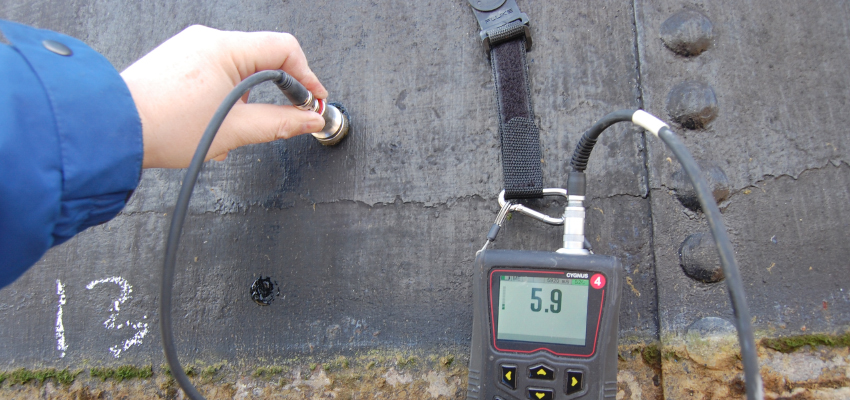
Thickness gauging offshore monitors the metal thickness of structural components and pipelines to detect corrosion or erosion. This data informs maintenance planning, ensuring the continued structural integrity of offshore assets in corrosive marine environments.

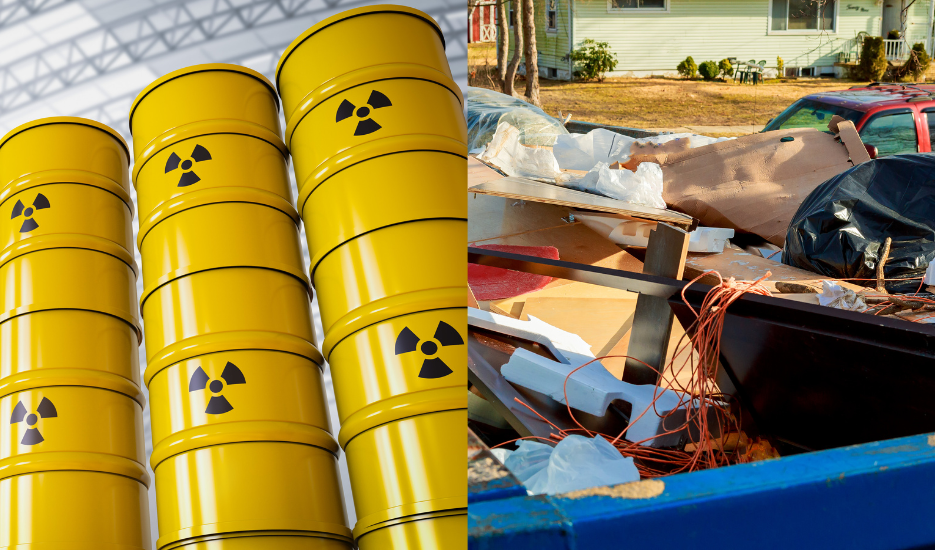
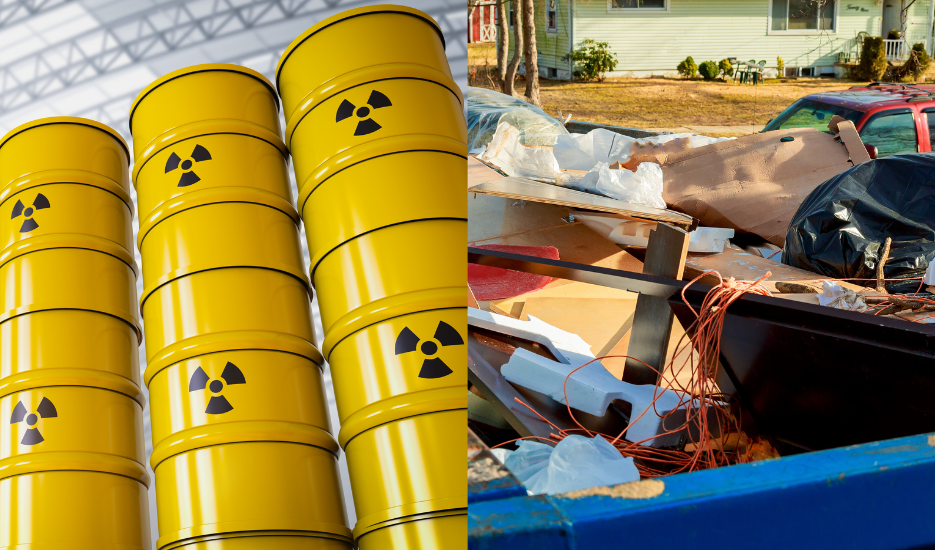
Asbestos management offshore involves the identification and safe removal of asbestos-containing materials in older offshore installations to protect workers and the environment. This service follows strict regulatory protocols to mitigate health risks.

Handling hazardous materials offshore requires stringent control measures to prevent spills, exposure, and environmental contamination. Hazmat management ensures safe storage, transport, and disposal of chemicals and fuels in compliance with international maritime regulations.

Proper disposal of wastes generated by offshore operations protects marine ecosystems and complies with environmental regulations. This includes segregation, treatment, and removal of hazardous and non-hazardous wastes, employing environmentally sound methods.

Provision of specialized equipment, spare parts, and technical support ensures offshore operations run smoothly and equipment remains functional. This includes supply chain management and rapid response to operational needs.

This service offers expert analysis and technical evidence in maritime legal disputes involving offshore incidents, collisions, or environmental claims. Specialists provide investigation support, reports, and testimony to support litigation or arbitration processes.

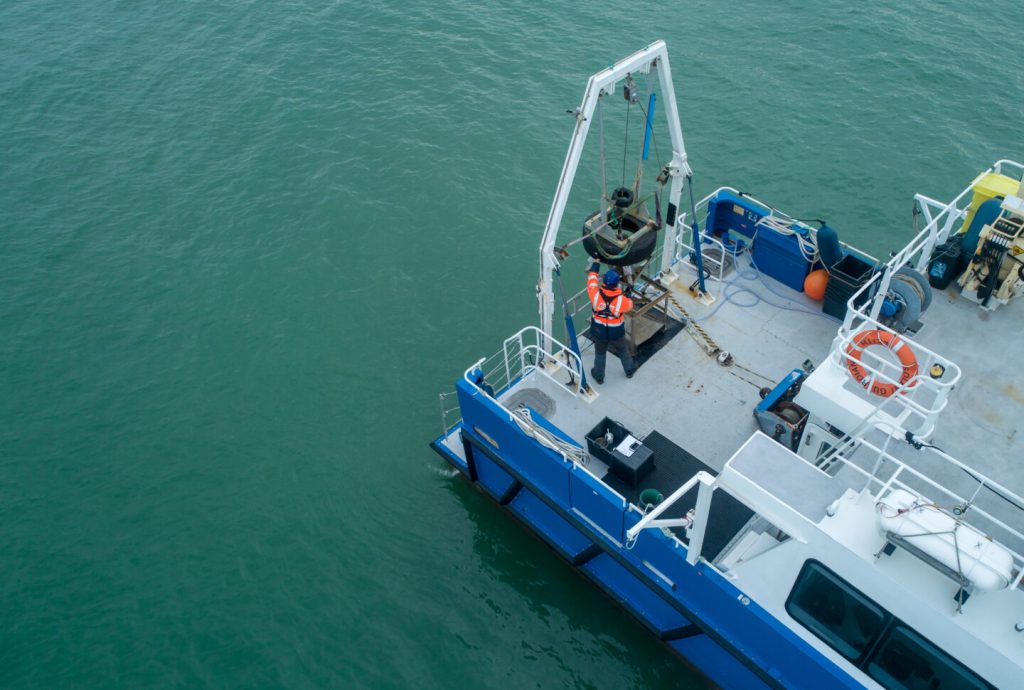
Hydrographic and geotechnical surveys provide critical data for safe marine construction and navigation. Hydrographic surveys map the seabed and underwater topography to identify hazards, ensure proper dredging, and design effective navigation channels. Geotechnical surveys analyze soil composition, bearing capacity, and sediment stability in coastal and nearshore areas to support foundation design for piers, jetties, and other marine structures. These surveys employ sonar, drilling, and sampling technologies, producing detailed reports that guide engineering decisions and mitigate construction risks.