Detailed Engineering & Naval Architecture

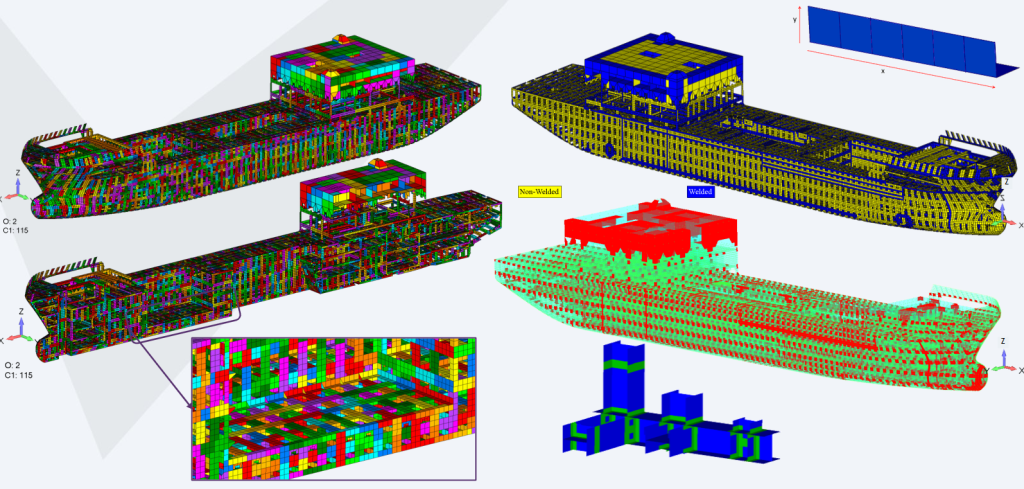
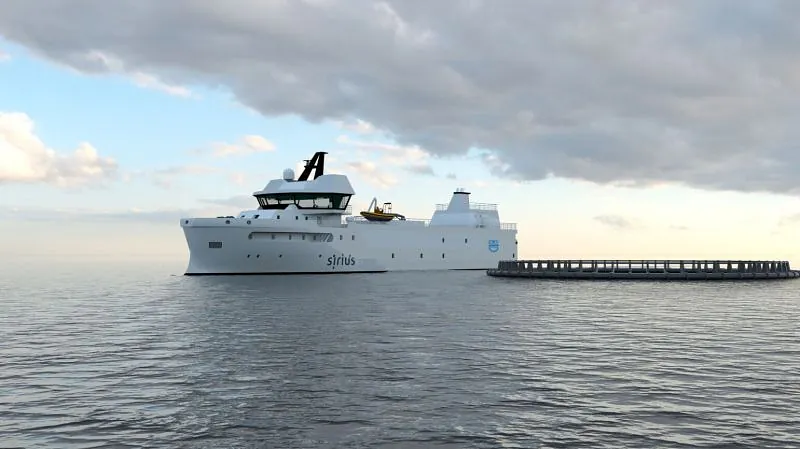
Detailed Engineering & Naval Architecture services provide expert design and analysis critical for marine and offshore projects. This includes structural, mechanical, electrical, and instrumentation engineering to develop robust and efficient systems. Load and stress analysis ensure components withstand operational demands. Using 3D modeling and simulation, we optimize designs before construction, minimizing risks and costs. Engineering support extends through procurement and construction phases, maintaining technical integrity and compliance.

Design Review and Validation processes verify all engineering deliverables meet specifications and regulations. As-Built Documentation and Revisions provide accurate records of completed projects, supporting future maintenance and modifications. Naval Architecture & Design services focus on vessel hull form, stability, and performance optimization to maximize efficiency and safety. Marine Operational Analysis supports operational planning and troubleshooting. Marine Systems Integration & Optimization ensures all systems work harmoniously, enhancing vessel capabilities. These engineering services are performed to meet IACS classification standards, ensuring quality and regulatory compliance for safe and reliable marine structures and vessels.

Services Include in Marine Onshore

01

Detailed Engineering, Drawing, Design & Analysis
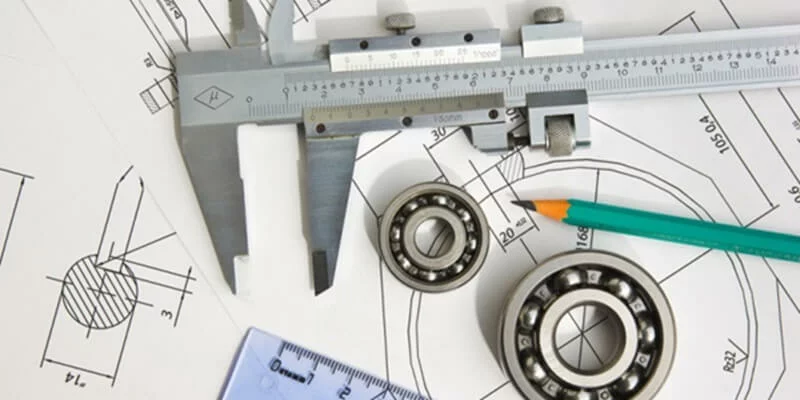
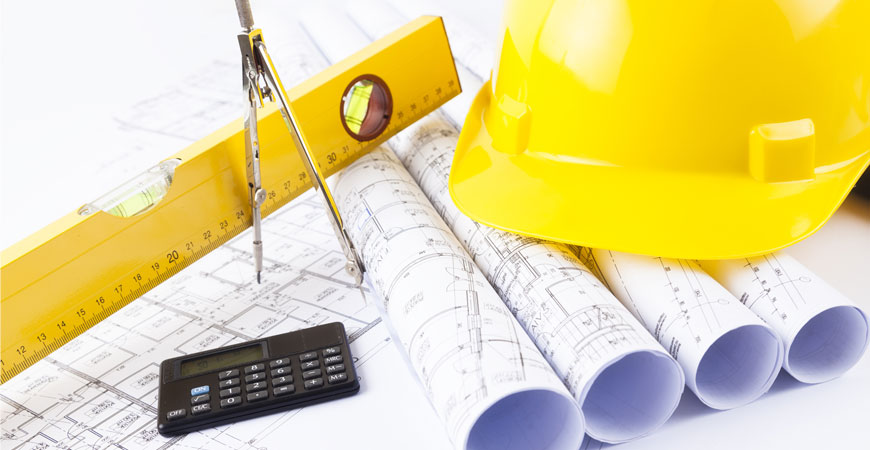
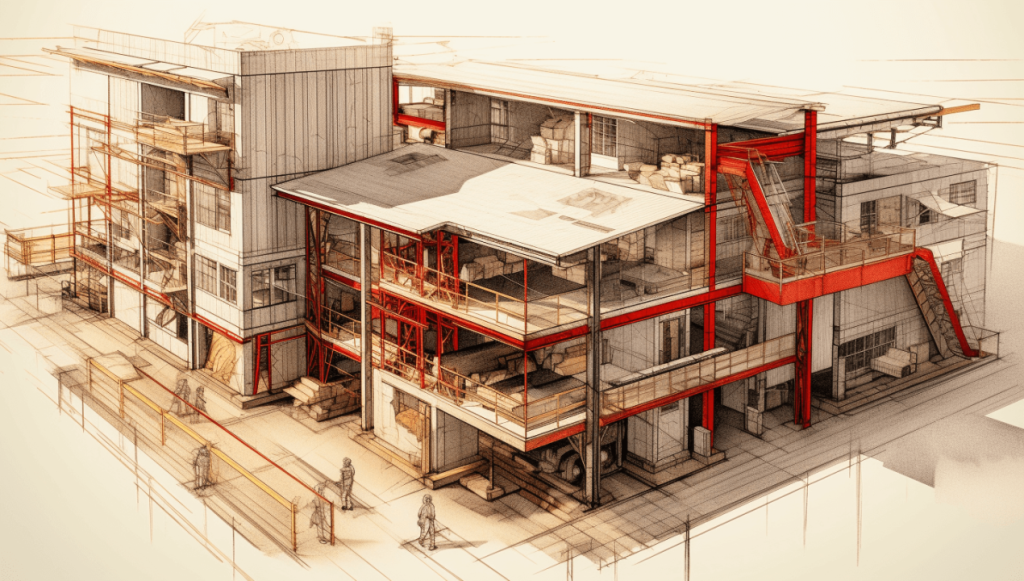
Detailed engineering is the backbone of any marine or offshore project, translating conceptual designs into precise, executable plans. This service includes the creation of comprehensive engineering drawings and technical documents that detail structural, mechanical, electrical, and piping systems. The analysis phase evaluates load stresses, thermal dynamics, and material behavior to ensure safety and performance. This meticulous process ensures that construction and maintenance teams have accurate, up-to-date information to work efficiently while adhering to classification society standards such as those set by IACS.

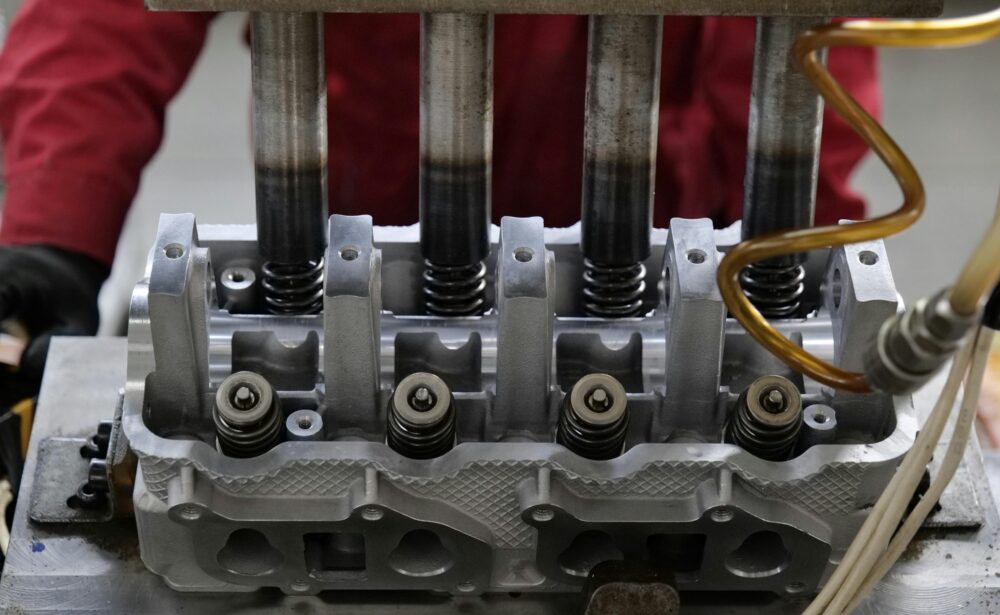
This involves designing and analyzing the strength, stability, and functionality of marine structures and mechanical systems. Structural engineers focus on frameworks such as hulls, decks, and support structures, ensuring they can withstand dynamic marine forces. Mechanical engineering addresses machinery, propulsion systems, HVAC, and piping networks, optimizing their performance for durability and safety in harsh marine environments.

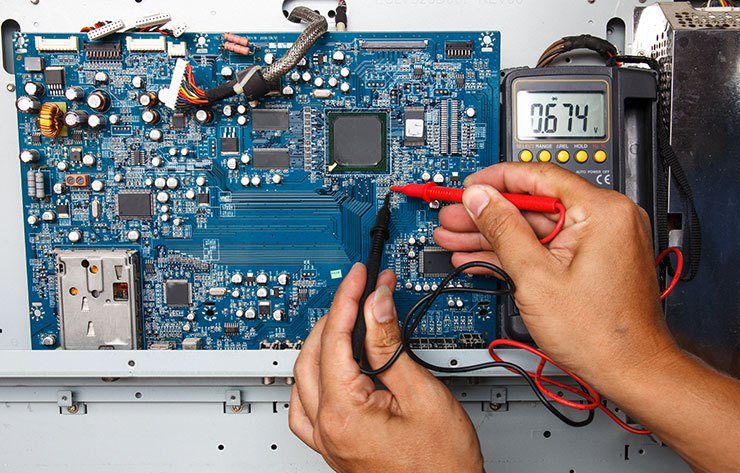
This discipline covers the design and integration of electrical power systems, control systems, and instrumentation on marine vessels and offshore platforms. Engineers ensure reliable power distribution, automation, and safety monitoring, which are crucial for operational efficiency and emergency response. Instrumentation engineering involves sensor networks for process control, environmental monitoring, and system diagnostics.

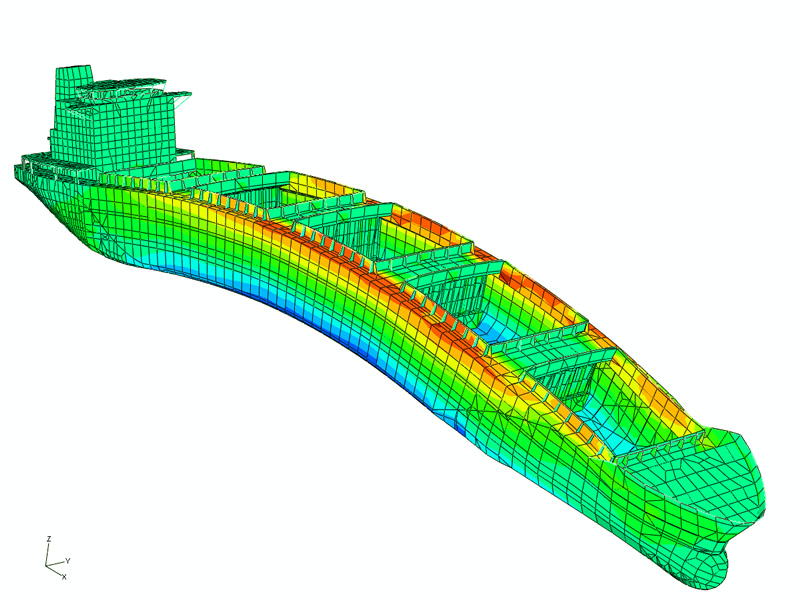
Load and stress analysis evaluates the impact of forces such as waves, wind, cargo, and equipment weight on marine structures. Using advanced computational tools and simulations, engineers predict potential failure points and optimize designs to distribute stresses evenly. This analysis is vital to meet safety standards and extend asset life.

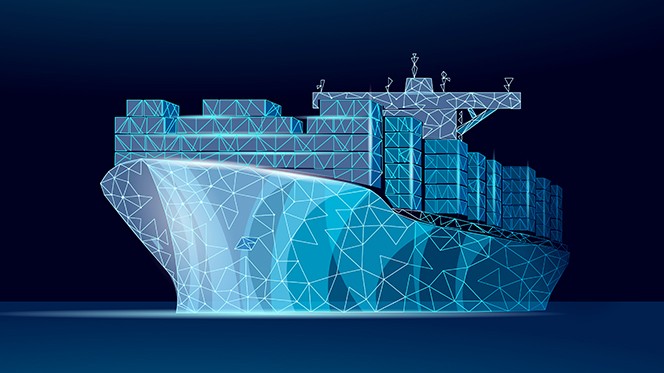
Using sophisticated software, 3D modeling creates virtual representations of marine systems, enabling visualization, interference checks, and performance simulations before actual construction. Simulations test scenarios such as hydrodynamics, structural loading, and system interactions, allowing early detection of design issues and optimization opportunities.

Engineering teams provide ongoing support during procurement and construction phases to ensure that materials, components, and workmanship meet project specifications and standards. This includes technical clarifications, inspections, and coordination with vendors and contractors, facilitating smooth project progression.

service-details-01
service-details-02

07

Design Review & Validation

Regular design reviews ensure compliance with regulatory requirements, client expectations, and industry best practices. Validation involves testing prototypes, analyzing design outputs, and confirming that all design criteria are met, minimizing costly revisions and rework during construction.

As-built documentation captures all modifications made during construction or retrofit, providing an accurate record of the final installed systems and structures. This documentation is essential for maintenance, future upgrades, and regulatory inspections.

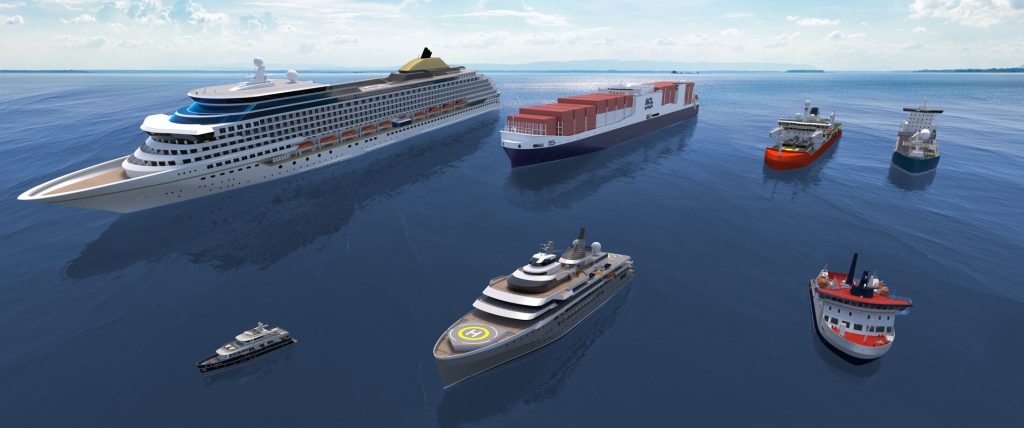
Naval architecture focuses on the design, construction, and repair of ships and marine vessels. This service includes hull form optimization for fuel efficiency, stability analysis, resistance and propulsion studies, and compliance with classification society rules. Naval architects balance safety, performance, and operational cost considerations in vessel design.

This service involves analyzing vessel and offshore system operations to improve efficiency, safety, and reliability. It includes studying navigation patterns, fuel consumption, equipment performance, and environmental impact to provide recommendations for operational enhancements.

Integrating complex marine systems—such as propulsion, electrical, and automation—requires careful planning to ensure seamless operation. This service optimizes system interactions for maximum efficiency, reliability, and compliance with marine regulations.